
News
Beyond the Haze: Media, Accountability and ASEAN
By Amira Ismail
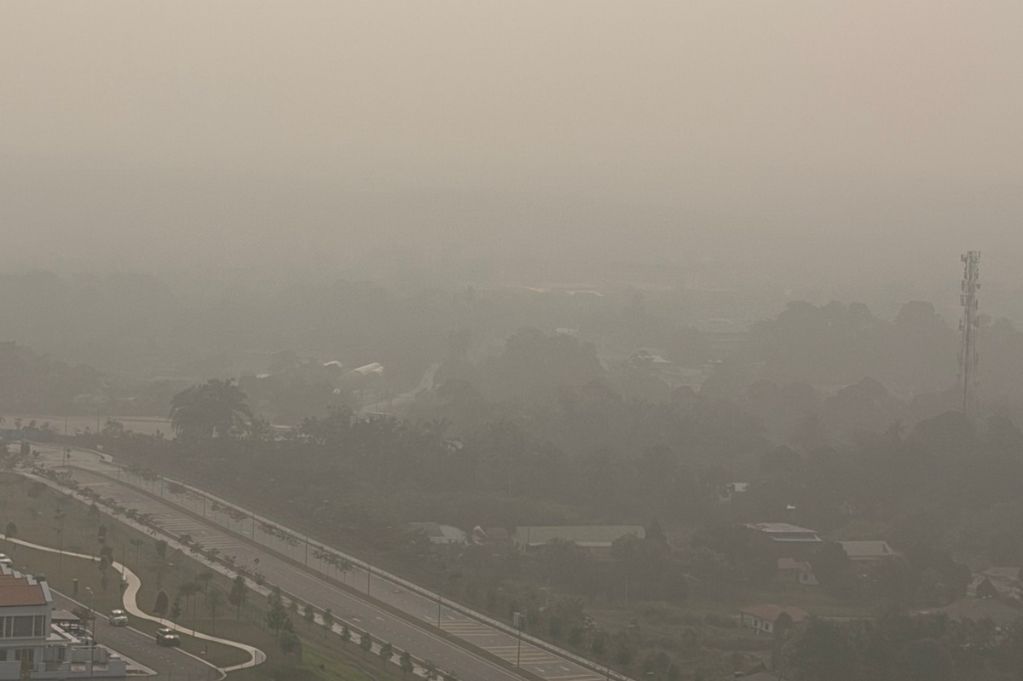
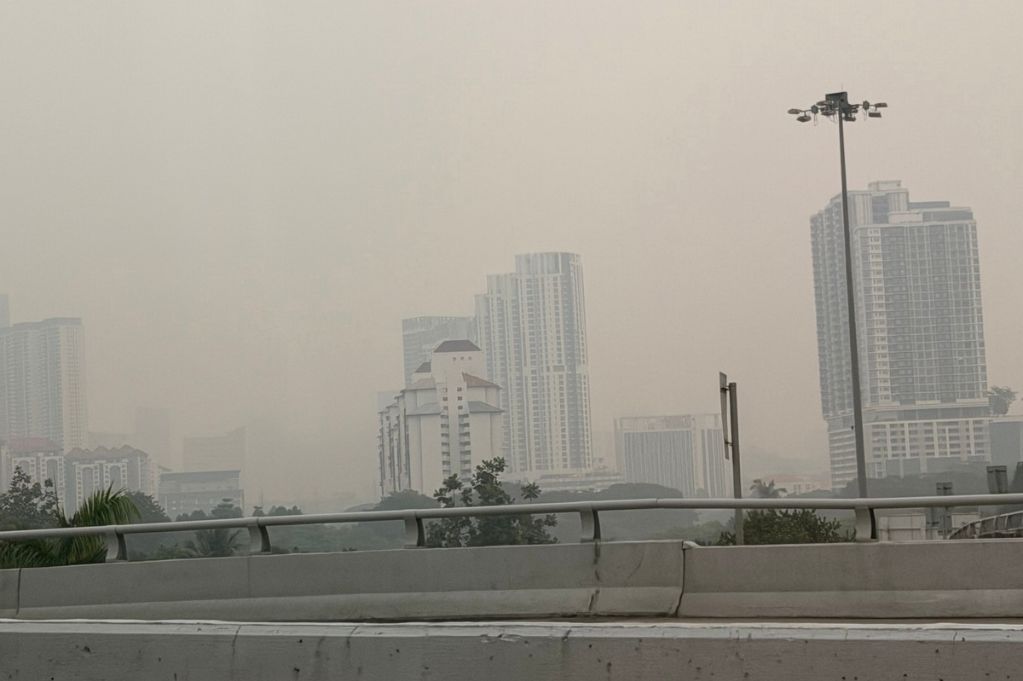
In recent months, Southeast Asia countries, especially Indonesia, Malaysia, Singapore, Thailand and the Philippines, have been badly hit by the ongoing haze situation. Transboundary haze pollution has affected thousands and millions of people across the region, causing air pollution, health issues related to haze exposure, and a general decline in the quality of life.
Media practitioners, especially journalists, play a role in mitigating transboundary haze, particularly in framing the narrative and shaping public perceptions of the issue. Indonesian mass media, for instance, often frames haze as a human-made disaster and highlights its impact on local ecosystems, whereas Malaysian media predominantly frames it as a public health and air pollution issue.
Journalists are also responsible for driving political accountability, particularly regarding ASEAN’s involvement through the ASEAN Agreement on Transboundary Haze Pollution (AATHP), a treaty designed to mitigate land and forest fires through a framework of cooperative prevention, monitoring and mutual assistance. The agreement entered into force in 2003.
According to a report by Channel News Asia (CNA) Singapore, Malaysia has called on ASEAN to revisit its decades-old transboundary haze pact, more than two decades after it came into force. “It was designed around ASEAN’s principles, consensus, sovereignty and non-interference. So, this encourages countries to cooperate, but it does not really have much ‘bite’. There are no ASEAN-level fines or sanctions, and ASEAN itself cannot prosecute any company for causing the haze,” said Amir Yusof, a CNA journalist.
In another report, CNA also stated that, according to Associate Professor Jolene Lin of the National University of Singapore (NUS), Singapore can take legal action against companies responsible for the ongoing haze situation under the Transboundary Haze Pollution Act. The same report stated that Singapore’s Minister for Sustainability and the Environment, Grace Fu, said the country would send preventive measure notices to seven companies in Indonesia responsible for the current haze.
According to BBC United Kingdom report, anger is mounting towards companies accused of burning farmland and the authorities that have struggled to stop them. The BBC report also stated that Indonesian President Prabowo Subianto had called for tougher sanctions against slash-and-burn farming, describing the practice as ‘ecological terrorism’.
Despite all the efforts to solve the issue, how the media frames transboundary haze can ultimately influence public understanding, government accountability and regional efforts, particularly those involving ASEAN, to address the crisis. The question remains: How can the media help shift the narrative from national blame towards shared responsibility? That is something for us to think deeply about and consider carefully.
This article represents the writer’s opinion and does not necessarily reflect ABU’s position.
Our Latest News
Discover More News

Asiavision rates to go down