News
A closer look at the work of sports journalists
Written by: Amir Khaidar, ABU Sports Senior Project Manager
Since returning from my assignment at the Asian Games in Japan, I have found myself reflecting on moments I witnessed there, both on and off the field of play. My time at the Games also gave me an opportunity to observe something audiences rarely see: the work that begins before the action starts and continues long after the competition has ended.
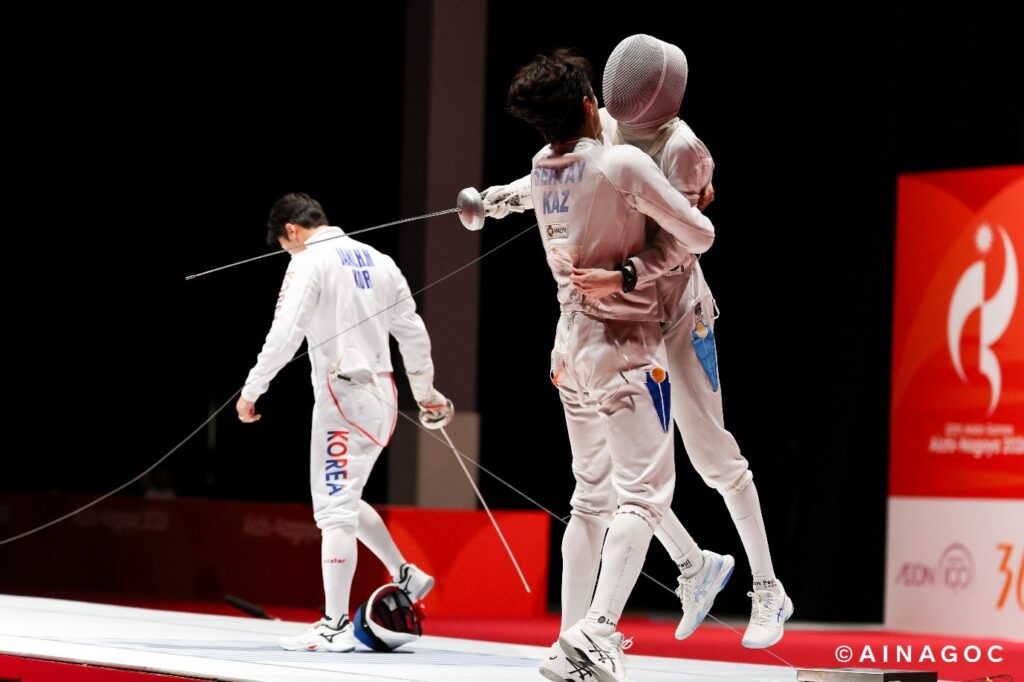
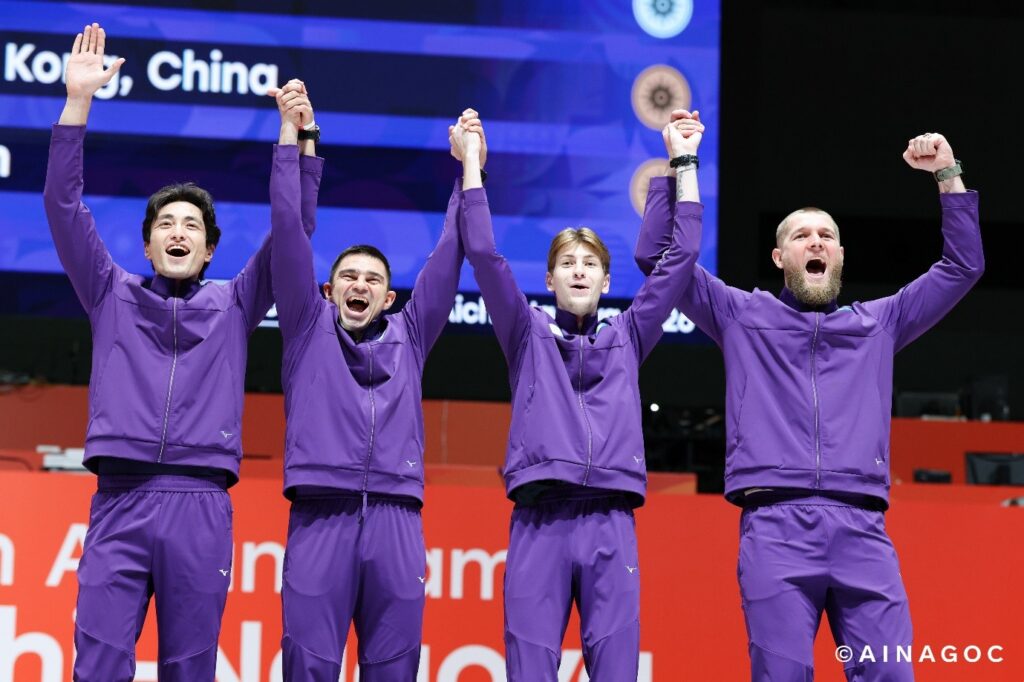
One moment that stayed with me was the men’s team épée gold-medal match, which saw Kazakhstan’s national team stage a memorable comeback after trailing for much of the contest. As the fencers gradually closed the gap, the tension grew with every point. Then came the decisive final touch, securing victory. The athletes erupted in celebration, their relief, excitement and joy unmistakable after such a hard-fought match.
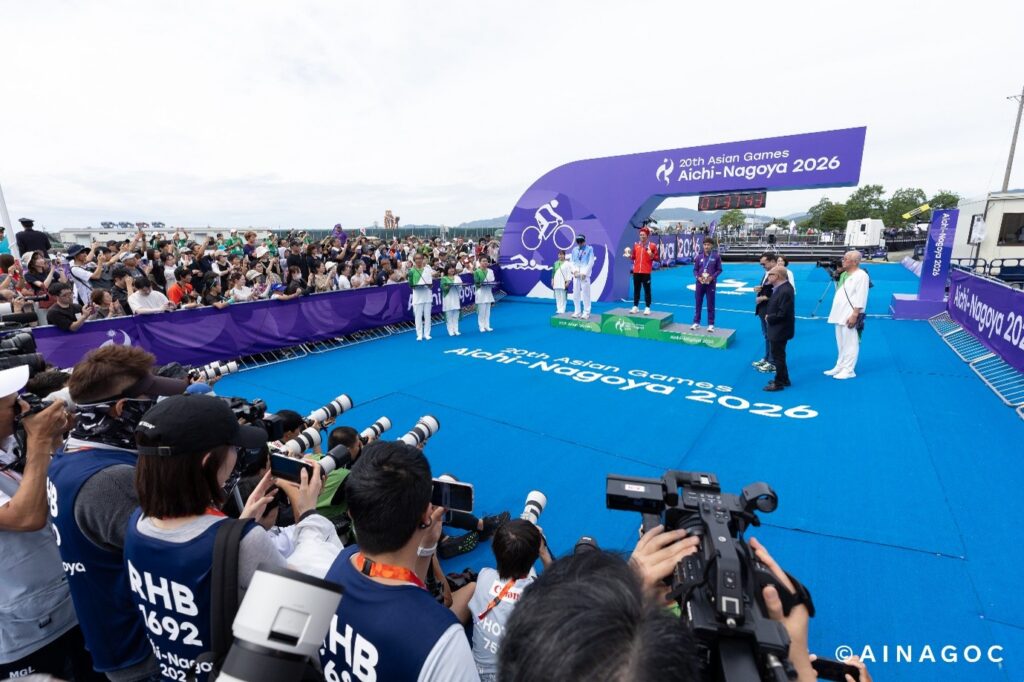
But while one team celebrated and the other faced the disappointment of defeat, another kind of race was already underway. Journalists who had been filming the match quickly gathered their equipment and headed to the mixed zone. They needed to set up their cameras and be ready to interview the athletes while the emotions were still fresh. The competition was over, but for the journalists, the work was far from finished.
Watching them move so quickly made me think about how much happens between a sporting moment and the story that eventually reaches the audience.
One person, an entire crew
The growing reliance on multimedia journalists working as one-person crews brings its own challenges, particularly at major sporting events. During the Asian Games, I saw some of my former colleagues working in this way and was reminded of just how many responsibilities can fall on a single journalist.
They might spend hours following the competition, keeping track of when athletes from their country are due to compete, filming the action and planning what they need to capture next. Once an event ends, there is often little time to pause. The journalist must get to the mixed zone, find the athlete, secure an interview, gather additional footage and perhaps attend a press conference, all while keeping an eye on the deadline.
The challenge is not simply the amount of work, but how quickly everything has to happen. Athletes may be surrounded by other media, interviews can be brief, and the journalist still needs enough material to put together a coherent news package, complete with a piece to camera, voiceover and supporting shots.
As I watched journalists moving between the competition area, mixed zone and press conference, I began to appreciate how much anticipation and quick decision-making the job requires. Plans can change in an instant, and there is little room for hesitation.
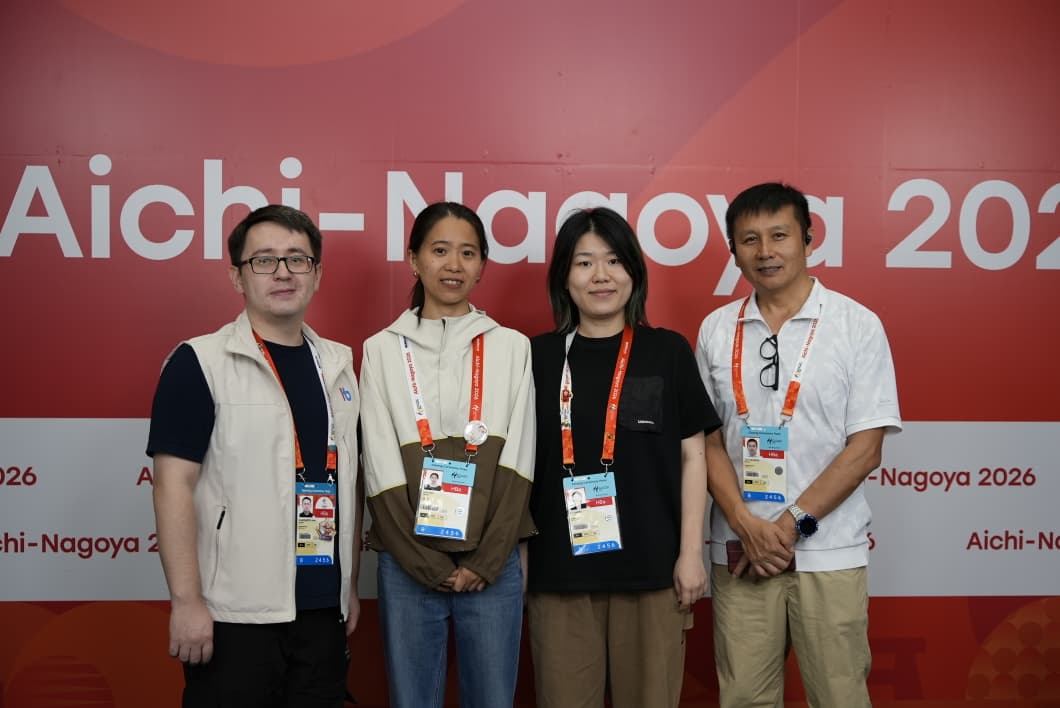
I spoke with several journalists who were filming, presenting and editing their reports as one-person crews during the Games. What struck me was that, despite the demands, some genuinely enjoyed working independently. They liked being responsible for their own assignments and relying on themselves to get the job done. In many ways, they functioned as an entire crew in one person.
That independence comes at a cost. When you work alone, there may be nobody to step in when you are exhausted, unwell or having a difficult day. You cannot easily divide the tasks or ask a colleague to take over while you catch your breath. The assignment still needs to be completed, and the deadline does not wait.
When the competition is over, the work continues
One evening after that fencing competition, I experienced a small but memorable part of what a long day on assignment can look like. My colleague from Qazsport, Kazakhstan’s sports television channel, and I were among the last to leave the press conference room. When we reached the train station, we discovered that the last train had stopped running.
We headed back towards the venue to catch the final shuttle. Eventually, we spotted a bus and quickly jumped on board, hoping it would take us back to the main station. There was hardly anyone else on it. After a long day, it was just the two of us making our way back.
I remember being glad to have a colleague beside me. Had I been on my own, the experience would have felt much lonelier. It was a small incident, but it offered a glimpse of the less visible side of reporting from a major sporting event. The job does not end when the athletes leave the field of play. There is still material to transfer, stories to finish and a journey back after a long day.
Working away from home base can bring other complications, too. Unfamiliar surroundings, language barriers, transport difficulties and unreliable internet connections can all add to the pressure, especially when a newsroom is waiting for footage. These details may never appear in the finished report, but they are part of the effort required to deliver the story accurately and on time.
The value of having a team
Having worked as a field journalist myself, I could relate to some of these challenges, although my assignments were mostly in current affairs rather than sports.
I still remember covering breaking news in one of the remote regions. We had to leave quickly to reach the scene, leaving personal belongings and some of our usual preparations behind. It was a demanding assignment, but having a crew and colleagues around me made the situation more manageable. We could rely on one another, and I knew I was not facing everything alone.
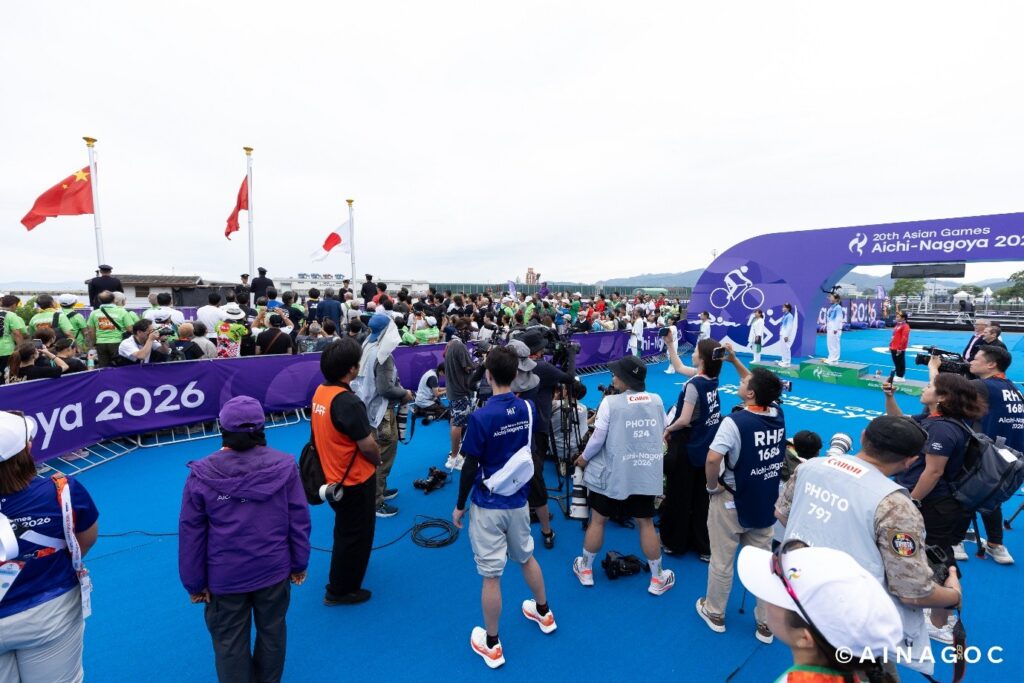
Watching journalists at the Asian Games made me appreciate both the independence they described and the responsibility that comes with it. Working alone requires initiative, adaptability and the ability to make decisions under pressure, often without anyone nearby to offer a hand.
There is also the human side of the job. As the journalists I spoke with explained, athletes are not always willing to speak after a disappointing result. After years of preparation, defeat can be difficult to accept, and an interview may be the last thing they want. The journalist still has to approach them professionally and try to tell the story fairly, whether it is one of triumph or disappointment. Sports journalists are there for the celebrations, but they also follow athletes through the difficult days, when the result does not reflect years of effort. Both sides of the story matter.
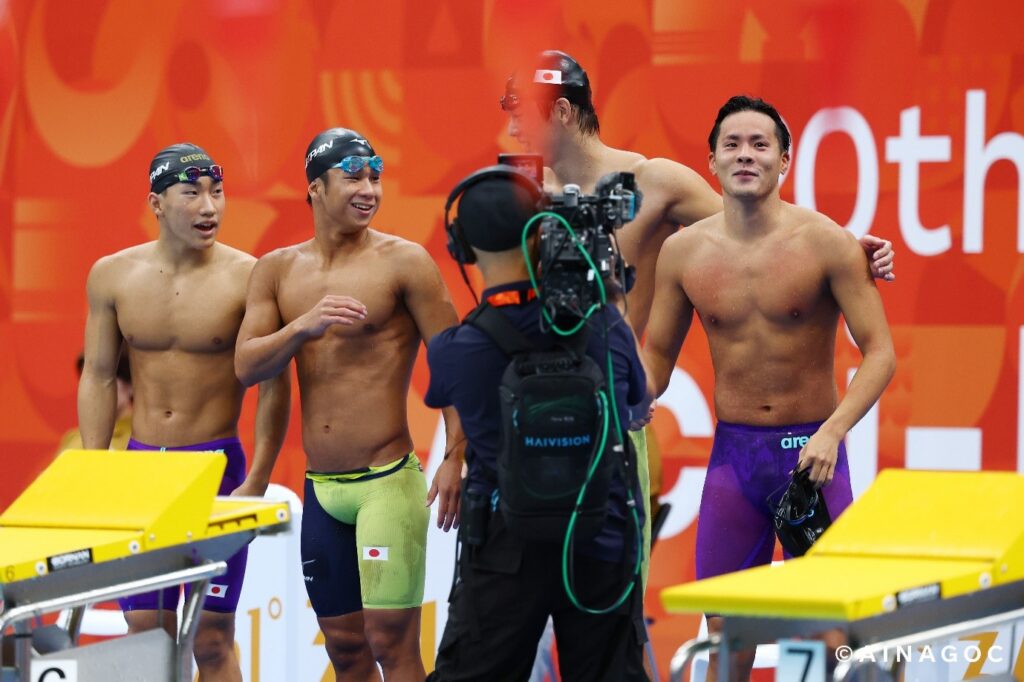
Bringing the moment to the audience
For all the demands of the job, there are moments that make the effort worthwhile. One that has stayed with me goes back to the 2016 Rio Olympics.
I was working at Qazsport in Kazakhstan when an athlete from the country won its first-ever Olympic gold medal in swimming. Our journalist was on site and quickly recorded an interview with the athlete before sending the footage back. Once we received and checked the material, I was the first to watch the interview and prepare it for broadcast.
What I remember most clearly is how excited the journalist was. That enthusiasm came through in the interview and was contagious. It was not simply an athlete talking about a gold medal; you could feel the excitement of someone who had just witnessed and captured a historic moment, knowing that people back home would soon be able to experience it, too.
That is something special about sports journalism. Through the journalist’s work, a moment at a venue thousands of kilometres away can reach people at home and make them feel part of an achievement they did not witness in person.
Looking back at that experience, and at what I observed during the Asian Games, I am reminded of how much work goes into the moments audiences often take for granted. A decisive touch or a gold-medal celebration may last only seconds. Behind the footage that reaches our screens is someone who has followed the action, chased an interview, gathered the necessary shots and worked against the clock to put the story together.
Their work may not always be visible to the audience, but it shapes how we experience sport. Long after the competition is over, it is often the journalists’ reporting that allows us to remember not just the result, but the feeling of being there.
Our Latest News
Discover More News

New RTB LO