News
How to Create a TV Series: Introduction to Television Development
12 November 2026 | 2:00 PM (Kuala Lumpur Time) | Speaker: Dr Pieter (Pia) Aquilia, AFTRS | Attendees: 38 participants
Every compelling television series begins with an idea, but transforming that idea into a production that resonates with audiences requires creativity, careful planning and collaboration. To explore this process, ABU Media Academy, in collaboration with the Australian Film Television and Radio School (AFTRS), launched How to Create a TV Series, a four-part webinar series designed to guide participants through the journey of television development.
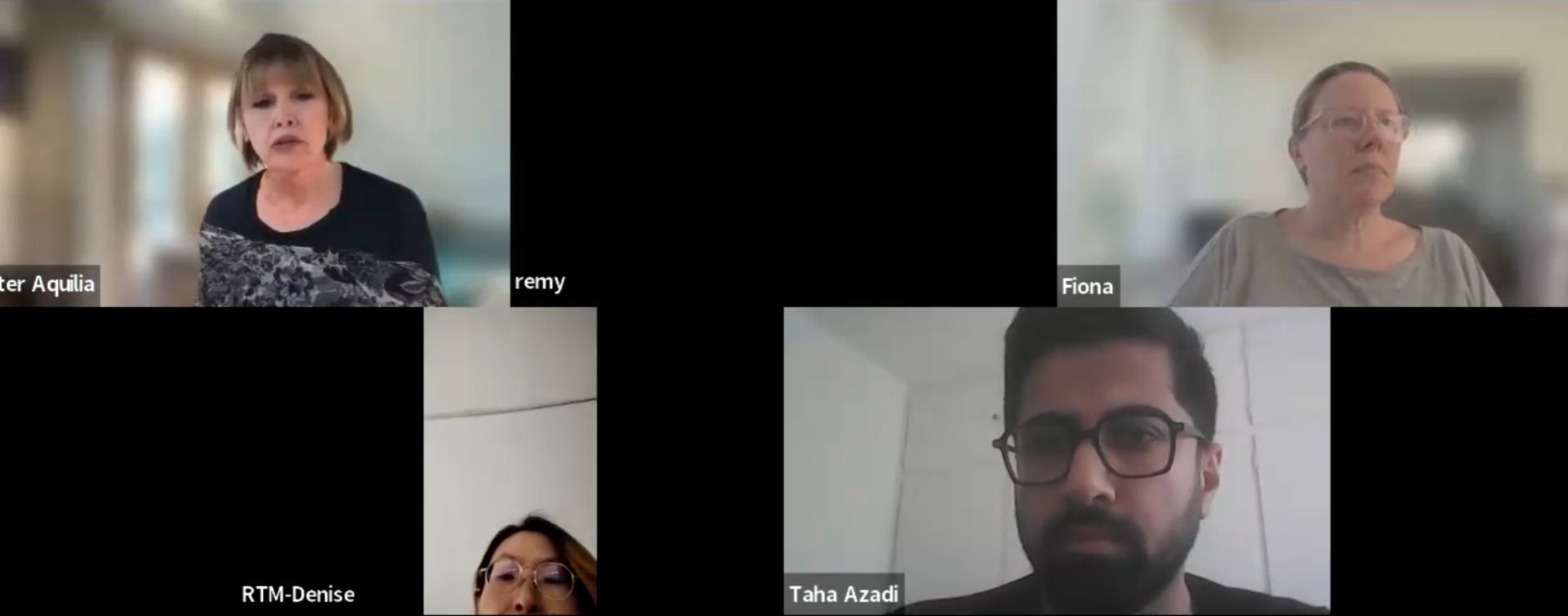
The opening session, Part 1: Introduction to Television Development, welcomed 38 participants and featured Dr Pieter (Pia) Aquilia, Discipline Lead, Creative Projects, Masters of Screen Business at AFTRS. Drawing on extensive experience in screen education and television production across Australia and Southeast Asia, Dr Aquilia introduced the creative, cultural and industry foundations that shape successful television series.
A central theme was the importance of developing stories rooted in local cultures while exploring universal experiences that resonate with international audiences. Dr Aquilia explained how broadcasting mandates, cultural policies and audience expectations influence the stories that reach the screen, highlighting Denmark’s internationally successful television dramas as an example of how distinctive national storytelling can achieve global appeal.
She also explored the responsibilities of development producers and showrunners in maintaining a clear creative vision. Beyond identifying a promising concept, television development requires research, collaboration among writers and producers, an understanding of production budgets and consideration of financing and distribution opportunities.
“Someone does need to be there to hold on to the vision.”
Using examples from the development of The Great and the structured approach of Korean television drama, Dr Aquilia demonstrated how successful productions often emerge from years of preparation, creative refinement and teamwork. She emphasised that storytelling is not simply about commercial success, but also about cultural representation, inclusivity and creating meaningful connections with communities.
As the session concluded, participants were encouraged to consider their organisations’ broadcasting mandates and identify a story that could potentially be developed into a television series of up to eight episodes. This practical reflection set the stage for Part 2: Brainstorming and Plotting Strategies, scheduled for 19 November 2026, where the journey continues with developing story worlds, characters, themes and plots.
The moderator closed by reflecting on how policy, structure and development processes shape television storytelling long before production begins, while inviting participants to continue the learning journey through the remaining sessions.
Impact Highlight
As the first step in a four-part learning journey, the webinar established a foundation for understanding television development as both a creative and strategic process. By connecting storytelling with cultural identity, industry knowledge and collaborative practice, the session encouraged Asia-Pacific media professionals to recognise the potential of their own local stories and begin shaping them into television concepts capable of reaching wider audiences.
Our Latest News
Discover More News