News
ABU Contributes to UNESCO’s Global MOOC on AI for the Media
The Asia-Pacific Broadcasting Union has joined an international advisory group supporting UNESCO and the University of Oxford in developing a Global Massive Open Online Course on Artificial Intelligence for the Media.
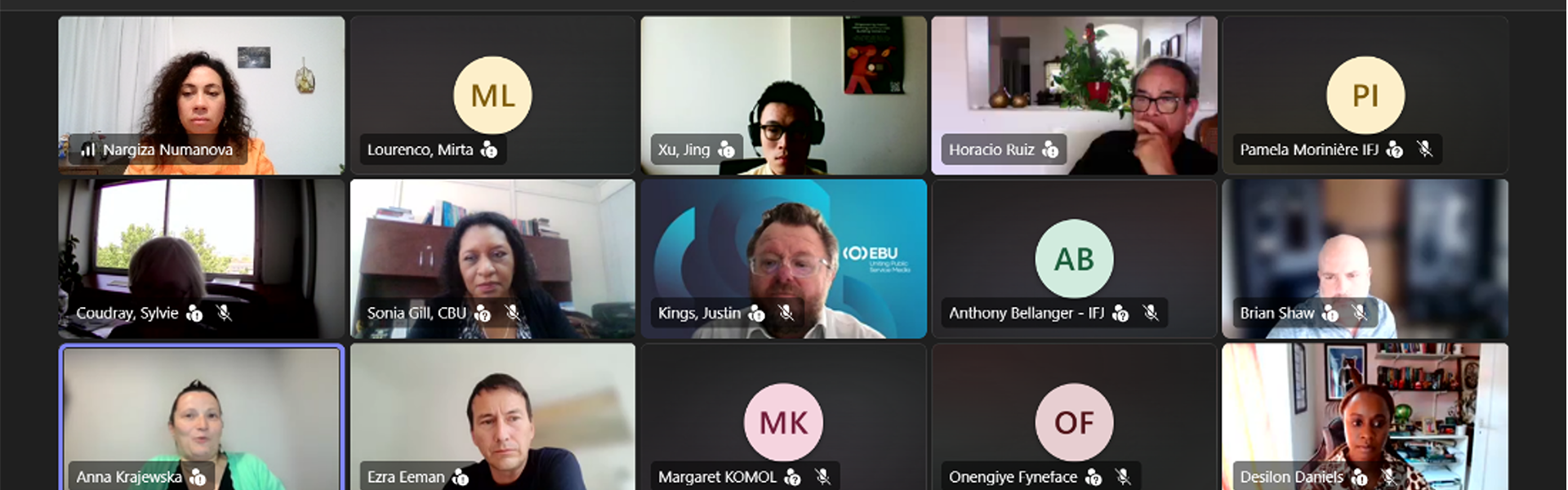
The first advisory-group consultation, held online, brought together representatives of regional broadcasting unions, journalists’ organisations, public-media networks and news publishers to identify the course’s expected outcomes, priority content and regional needs.
Representing the ABU, Nargiza Numanova, Head of the Secretary-General’s Office, emphasised the need for practical, technology-neutral guidance that helps media organisations adopt AI responsibly, rather than focusing on individual tools. The ABU highlighted several priority areas for the course, including; editorial accountability, verification and human oversight, AI governance, organisational policies and risk management, copyright, licensing and the use of media content to train AI models, Practical guidance for smaller and resource-constrained broadcasters; and the environmental impact of AI technologies.
The ABU also recommended using practical case studies from different regions and ensuring that the course serves organisations with varying levels of resources, infrastructure and AI readiness.
Human editorial responsibility, ethics, accountability and critical thinking will remain central to the course. The programme is also expected to address practical newsroom applications such as transcription, translation, archiving, accessibility and content repurposing.
UNESCO and the University of Oxford will continue consulting the advisory group, gathering regional case studies and sharing draft materials for review. The Global MOOC is expected to be launched in the first quarter of 2027, subject to the development schedule.
The ABU will continue contributing the perspectives and needs of its members to help ensure that the course is practical, inclusive and relevant to media organisations across the Asia-Pacific.
Our Latest News
Discover More News